Case Study: Evolving Asset Mapping Through Modernization and Collaboration
Modern mapping, built for movement.
Client
FMX
FMX is a leading facilities management software company known for helping organizations streamline maintenance, scheduling, and asset tracking. As part of their ongoing evolution toward modern, interactive user experiences, FMX sought to transform their existing mapping capabilities—initially developed as an internal pilot—into a robust, integrated asset mapping solution.
Transforming facility management through design, technology, and collaboration, FMX approached augustwenty with a promising but early-stage pilot: a proof-of-concept mapping tool built internally to gauge client interest and willingness to pay. While the concept resonated, the pilot had significant limitations that needed to be addressed.
"Technology and culture go hand-in-hand. Introducing React and agile-inspired practices fostered both technical and organizational maturity."
The Challenge
From pilot to production-ready platform
These challenges underscored FMX's broader organizational goal—to modernize its architecture and processes to deliver faster, more flexible, and user-friendly products.
- Unclear product vision. The initial roadmap shifted multiple times—from a standalone mapping tool to an internal-only feature—resulting in rebuilds and accumulated technical debt.
- Limited requirements definition. FMX's product team often provided only high-level ideas, requiring the development team to make critical design and functionality decisions with limited guidance.
- Process and estimation friction. Scope and capacity estimation were complicated by external decision-making and the absence of internal metrics, causing missed expectations and delivery stress.
- Legacy technology constraints. The existing mapping solution relied on Blazor, which struggled to integrate JavaScript-heavy tools like Leaflet, making the solution harder to maintain and evolve.
Recognizing the need for both technical modernization and process alignment, augustwenty partnered closely with FMX's technical leads and product team to provide both strategic and hands-on development support.
Our approach focused on agile collaboration, technical leadership and partnership, and design and requirements maturity—introducing sprint-based cadences, shared architecture ownership, and test-environment deployments each sprint.
Our Approach
Modernization through collaboration
Working alongside FMX's internal leads, we ensured shared ownership of architecture decisions. Our role was not only to build but to mentor and strengthen FMX's internal capabilities. Through early design involvement, proactive backlog refinement, and iterative delivery, we improved requirement clarity and reduced rework.
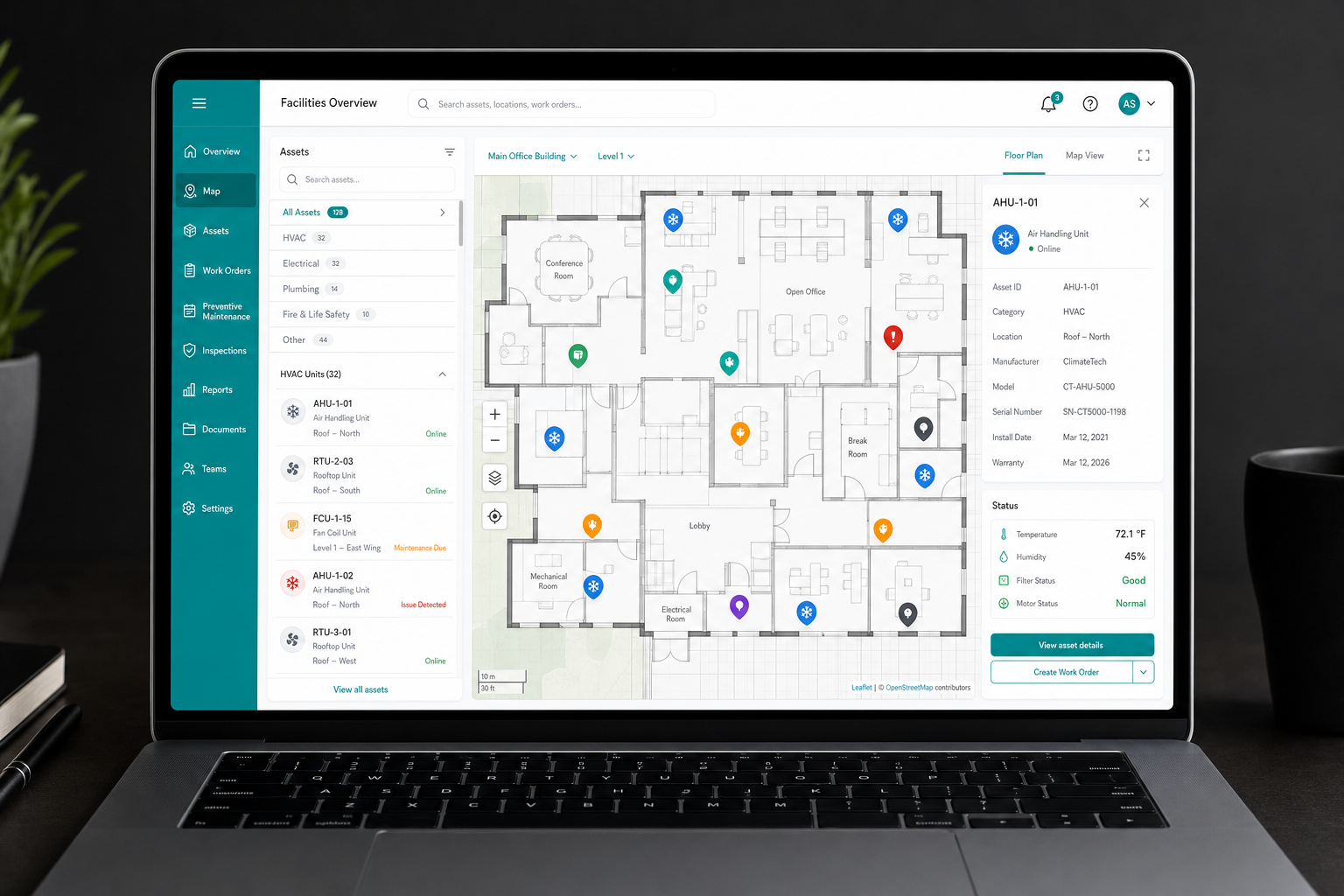
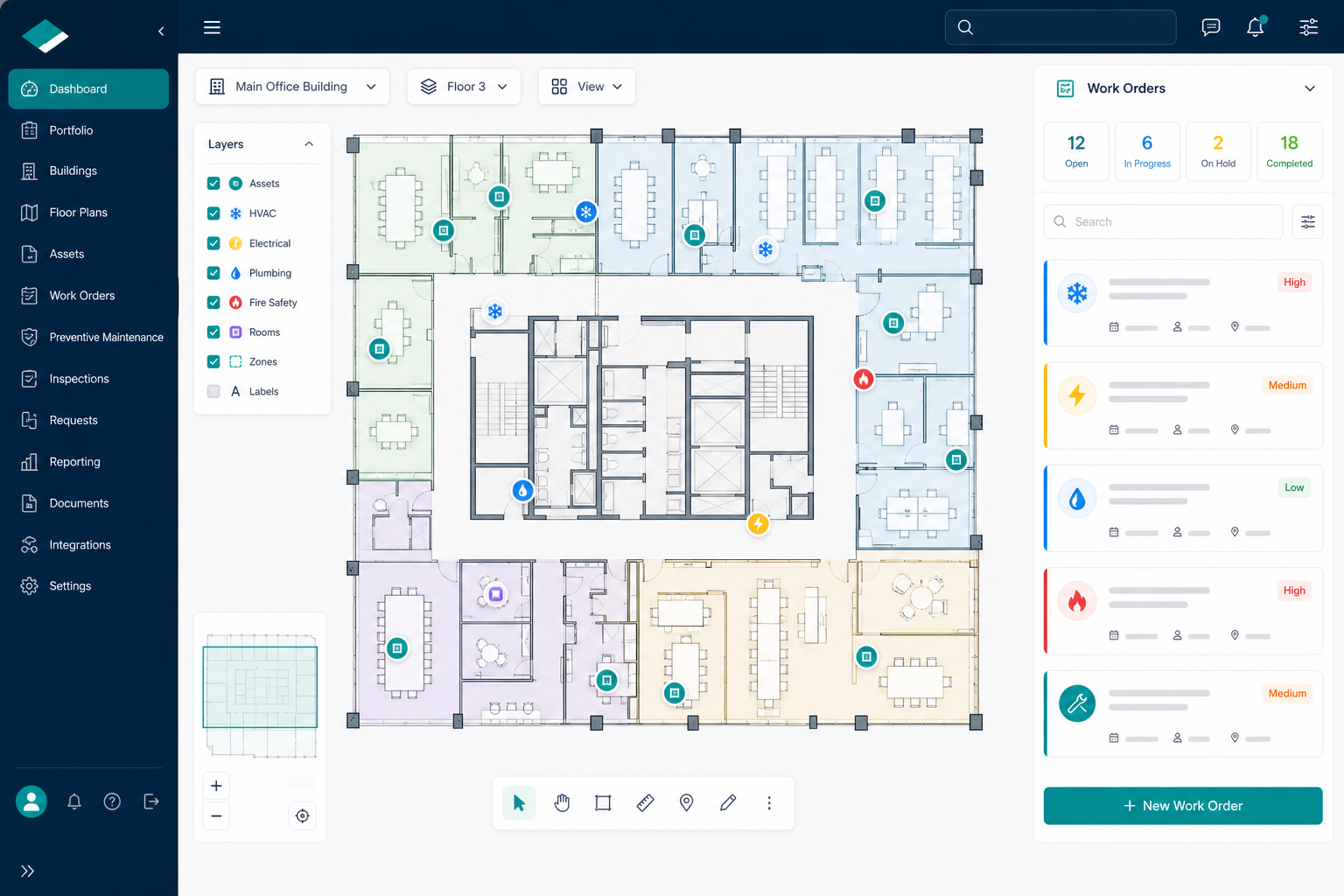
The team transformed the original Blazor-based pilot into a modern, React-built mapping solution fully integrated within FMX's core application—leveraging Leaflet.js for a more visual, intuitive way to interact with assets and addressing the industry trend away from grid fatigue toward data visualization.
Implementation
From Blazor pilot to React platform
Rebuilt from the ground up in React, the mapping solution aligned with FMX's long-term vision to move away from server-side rendered applications toward a modern, modular front end. New functionality was deployed into test environments every sprint, allowing FMX to validate direction and refine requirements before production.
We partnered with FMX to introduce a design system using repeatable UI components and helped product managers adopt Agile methodologies and improved communication rhythms. Throughout the engagement, the team also supported FMX's shift to the Shape Up methodology—moving from rigid deadlines to quarterly objectives with clearer scope ownership.
Technologies and tools
Front-end
React, TypeScript, and Leaflet.js for interactive asset mapping and visualization.
Back-end
.NET Core and C#, integrated within FMX's existing application architecture.
Infrastructure
Azure Cloud hosting with sprint-based deployments to test environments.
Collaboration
Agile (Scrum) and Shape Up hybrid methodology, Figma design system, Jira, and Cursor AI.
Results
A stronger, more adaptable platform
Modernized Front-End Architecture
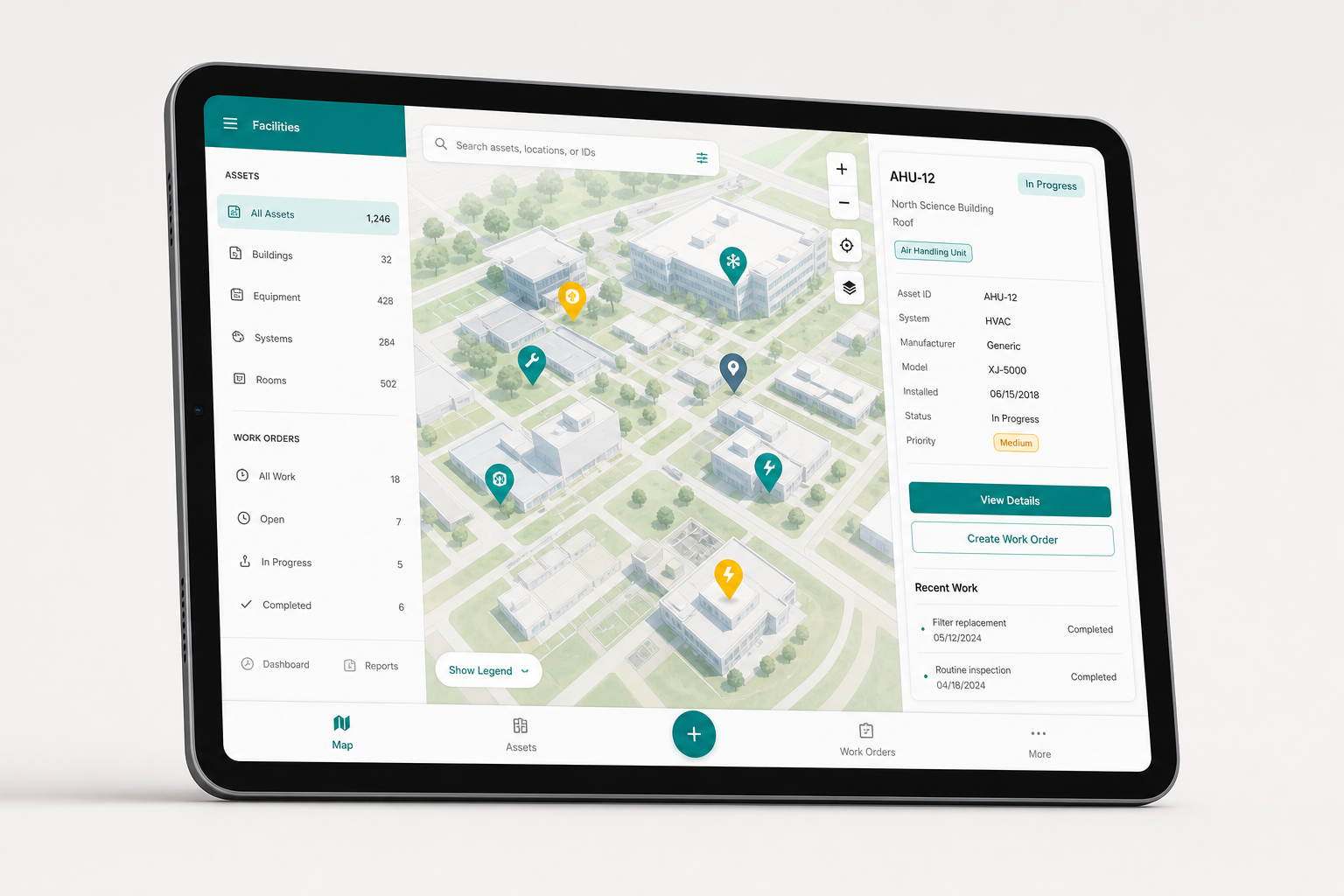
The React-based mapping solution establishes a strong foundation for future product innovation and easier internal development.
Improved Cross-Team Processes
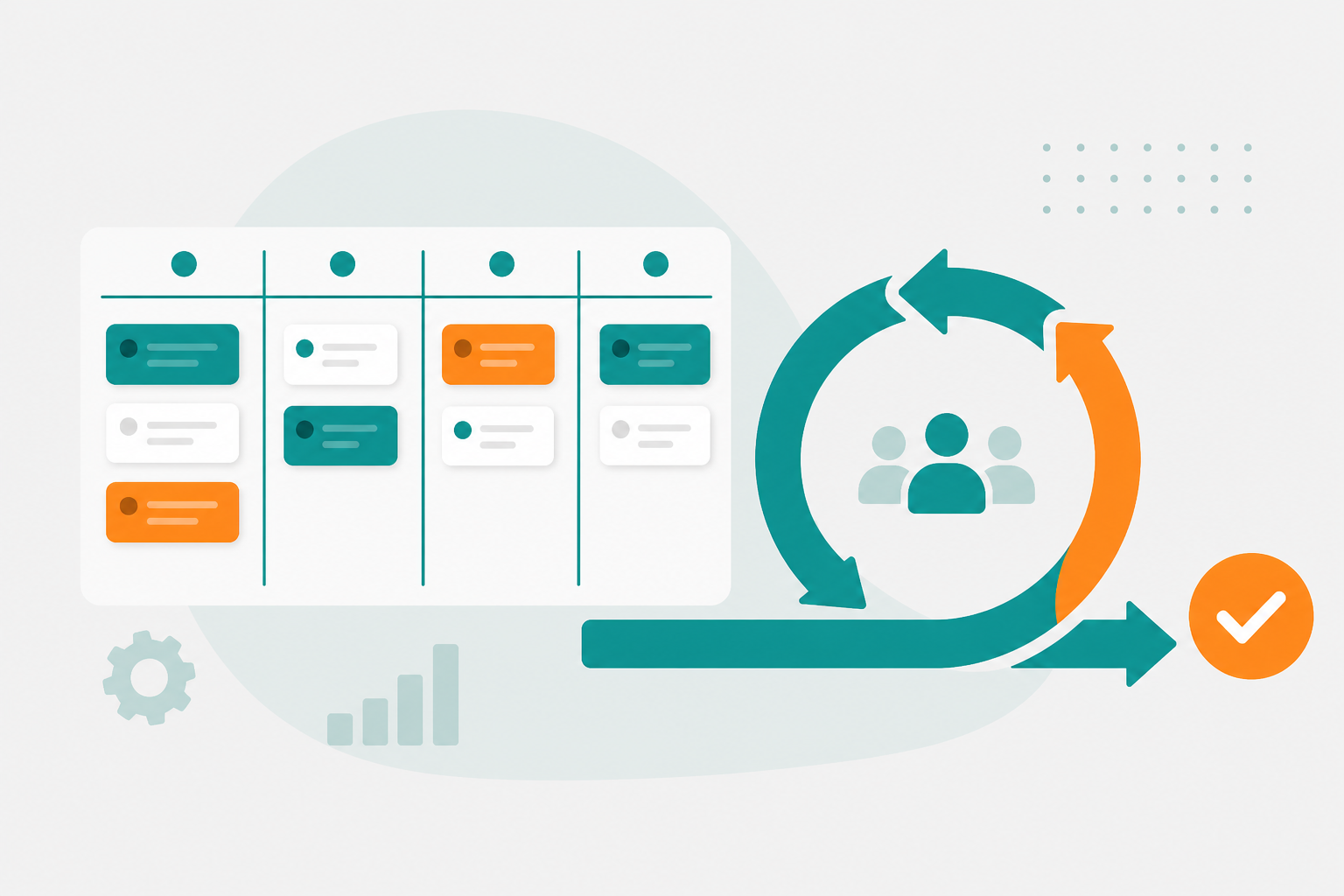
Adoption of Agile and regular sprint demos enhanced FMX's ability to refine requirements early and minimize rework.
Organizational Impact
The partnership helped FMX's internal teams strengthen estimation practices, improve communication, and gain hands-on experience with modern frameworks.

Smoother Client Experience
The new mapping solution gives customers a more interactive, visual, and efficient way to manage assets—moving beyond grid fatigue toward data visualization.